
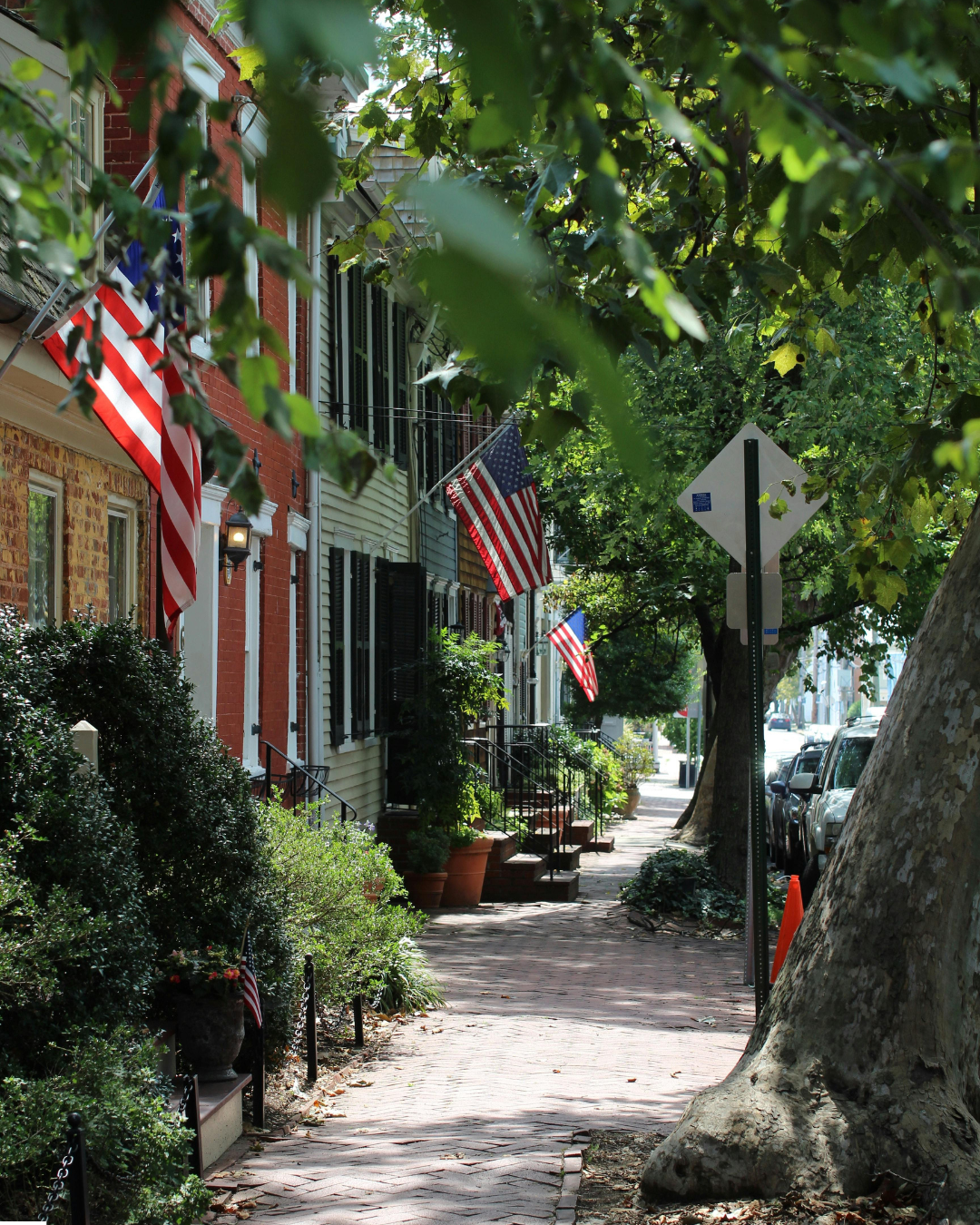
what we're working toward
1. Protecting Residential Parking
Residents should be able to park near their homes without competing against commuters, employees, or long-term visitors.
• Expand residential permit parking where needed
• Create visitor and contractor parking permits
• Improve enforcement in neighborhoods experiencing parking overflow
• Develop parking policies that help residents remain in their homes as they age
2. Supporting Local Businesses and Their Employees
Parking policies should strengthen local businesses, not create barriers for customers and workers.
• Establish safe, convenient and affordable employee parking options
• Expand loading, pickup, and delivery zones
• Review time limits to better support shopping and dining
• Improve utilization of existing garages and off-street parking facilities
3. Promoting Fair and Reasonable Enforcement
Parking enforcement should encourage compliance and public understanding while maintaining accountability.
• Implement a reasonable grace period before citations are issued
• Use warnings for minor first-time violations where appropriate
• Improve signage and curb markings to reduce unintentional violations
• Increase transparency and consistency in enforcement practices
4. Simplifying and Improving the Parking Experience
Parking should be easy to understand, easy to use, and accessible for everyone.
• Simplify payment systems and parking technology
• Ensure convenient payment options are available
• Improve wayfinding and parking information
• Promote clear communication regarding parking rules and regulations
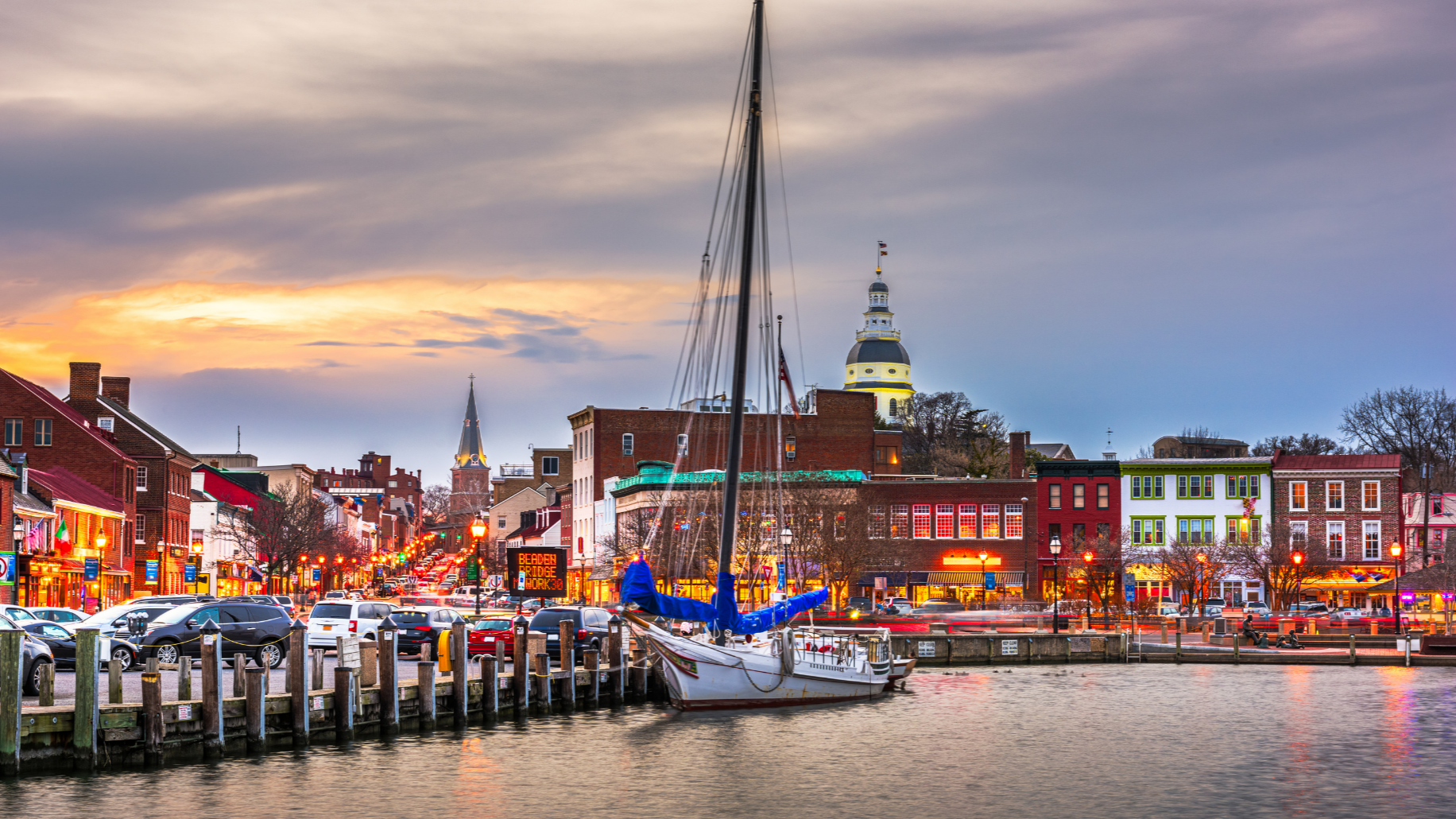
The Annapolis parking system is shaped by high fees, confusing payment technology, punitive enforcement, and too few options for residents, employees, and visitors alike; challenges that peer cities have already found practical ways to solve. We've grouped these into four core issues. For each one, we've developed clear, achievable solutions; many requiring only administrative approval or a city council vote to bring Annapolis in line with comparable cities. Below, we break down each issue and exactly what we're proposing to fix it.
-
Give residents priority on their own streets and an easy way to host visitors and contractors.
Launch a Residential Parking Protection Pilot on the streets with the heaviest commuter and employee overflow, expanding resident-only or resident-priority parking where needed
Create a friends, family, and contractor hangtag program so residents' visitors can park longer for less — as comparable cities already allow
Shift enforcement officers to cover the residential areas where residents are actually requesting them
Develop parking policies that help longtime residents remain in their homes as they age
-
Move employees off residential streets and make it easier for customers to stop, shop, and dine.
Create a $5/day employee parking program that is 24/7/365 at all available garages and lots. This will move employees off neighborhood streets
Mandate 15-minute free loading and pickup zones on all restaurant and retail blocks (three are already in place)
Extend the 2-hour street parking maximum to 3 hours, more in line with how long diners and shoppers actually stay
Offer business owners the same two hours of free parking that residents receive
Offer and advertise bus or EV transportation for assembly members and staffers during session to free up garage capacity
-
Focus on compliance and education instead of "gotcha" ticketing.
Align enforcement hours with comparable markets; Monday–Saturday, 8am–7pm (currently every day, 8am–midnight)
Require that all citations be printed and placed on the vehicle at the time of the violation, not mailed weeks to months later after accumulating penalties
Establish a 10-minute grace period for expired parking to account for app, credit card, and cell issues
Issue warnings first for little-known offenses, such as the $300 fine for parking more than 12 inches from a curb
Reassess, reduce, and cap street, garage, and citation fees to bring them in line with similar markets; Annapolis currently has some of the highest on the East Coast
End predatory enforcement practices, including pressure on businesses to "keep parking staff happy" to avoid being targeted
Repaint red curbs so they are clearly visible
-
Make paying for parking simple, consistent, and understandable for everyone.
Consolidate to a single payment app, with cash and card accepted at kiosks, as comparable cities do
Maintain cash and credit card options wherever practical
Improve parking maps, wayfinding, and signage
Create a single point of contact for parking questions and customer service
Reassess kiosk manufacturers and evaluate replacing machines that are consistent problems
One of the core responsibilities of local government is protecting the public’s trust in systems that directly impact our daily lives. When residents, visitors, and businesses repeatedly report the same harmful experiences being alleged in lawsuits elsewhere, it is imperative that city council steps in and ensures stronger oversight, accountability, and consumer protections.
Premium Parking stated in an Annapolis Transportation Committee meeting that (quote) “The City sets policy, rates, fines, and rules.” This confirms the authority that our elected officials hold to shape how this system operates. The ability to improve many of these issues already exists through legislation, change requests to MEDCO and legal action through the city attorney’s office.
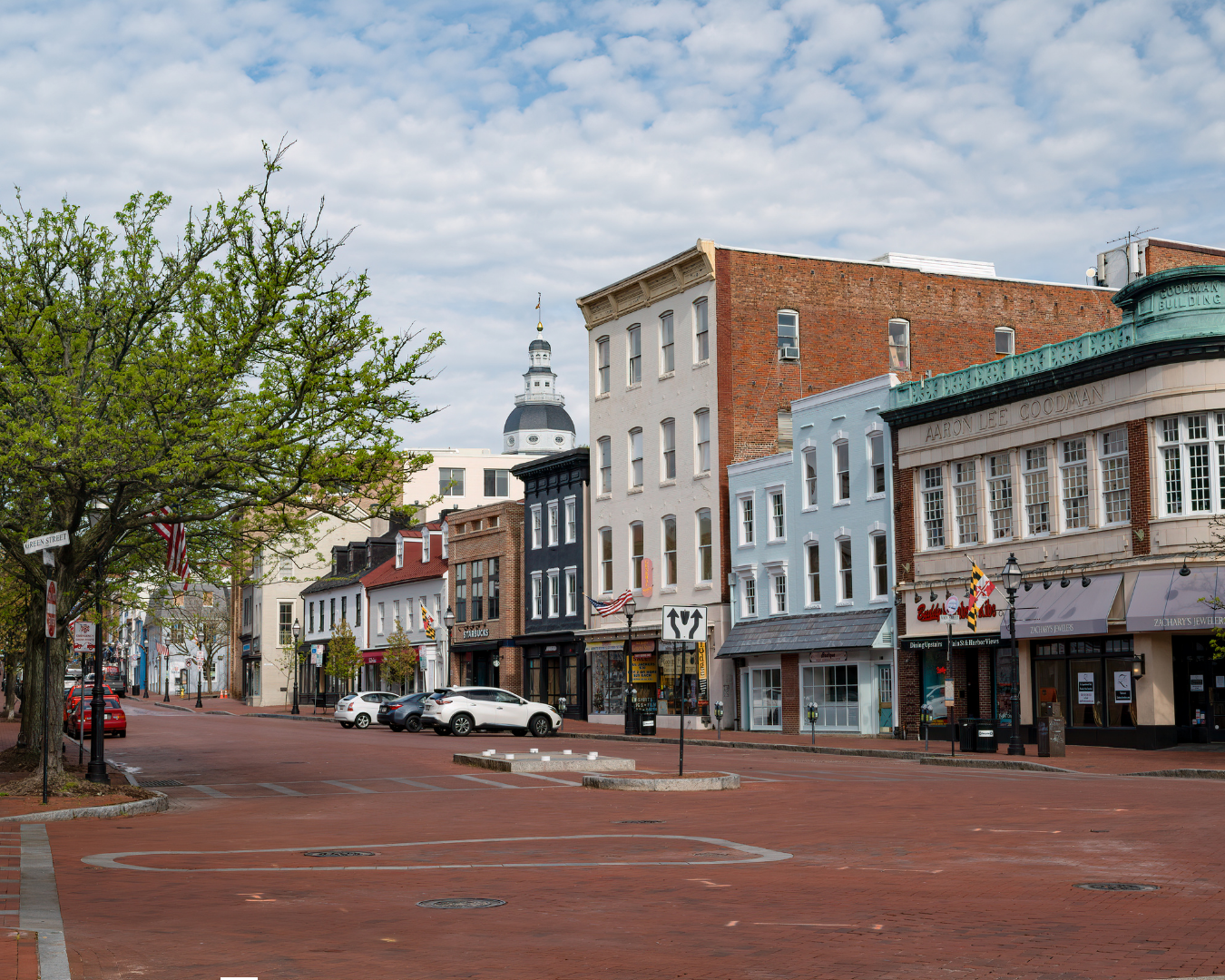
First Steps Toward Improvement
These are the near-term, high-impact changes we’re prioritizing first:
• Launch a residential parking pilot program in the most impacted neighborhoods.
• Align enforcement hours with comparable markets: Mon–Sat 8am–7pm.
• Establish a safe, convenient and affordable employee parking program at Hillman Garage and the Larkin Lot.
• Require that all citations be printed and placed on the vehicle at the time of the violation.
• Implement a 10-minute grace period before issuing citations.